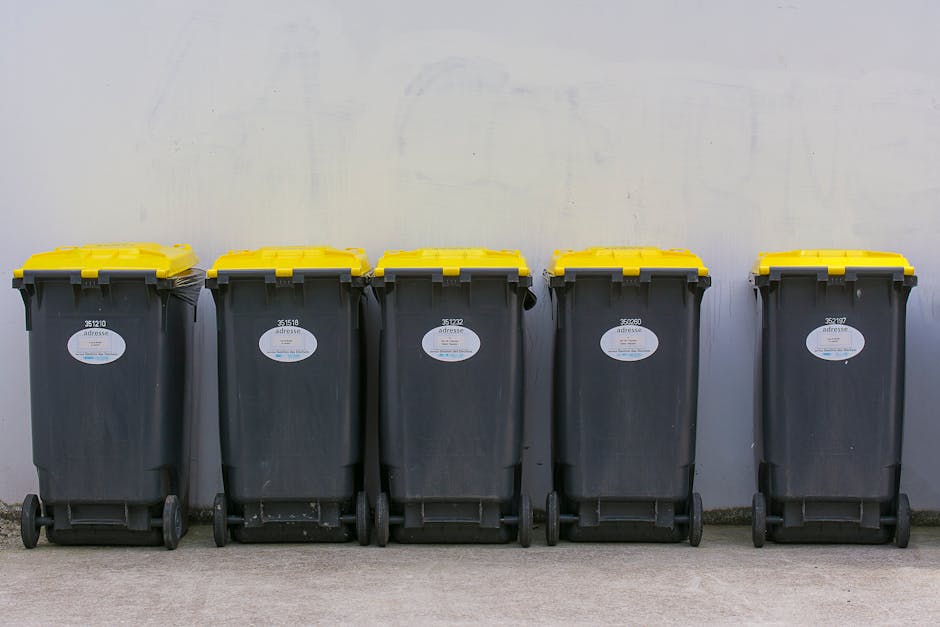
What to know about Chelsea council rules for waste disposal
If you live, work, or manage a property in Chelsea, waste disposal is one of those everyday jobs that looks simple until it isn't. One missed collection, one black bag left out too early, or one bulky item put in the wrong place can quickly turn into a nuisance. And let's face it, nobody wants sacks on the pavement, a warning notice, or that slightly awkward conversation with a neighbour about the bin smell drifting through the courtyard on a warm afternoon.
This guide explains what to know about Chelsea council rules for waste disposal in plain English. You'll find the practical basics, the common mistakes people make, the best way to prepare waste for collection, and how to stay on the right side of local expectations without making the whole thing a drama. It is written to help with everyday household waste, recycling, bulky items, and the sorts of messier situations that happen after a clear-out, a move, or renovation work.
For homeowners and tenants, the rules matter because they affect day-to-day convenience. For landlords, letting agents, and businesses, they matter even more because waste handling touches on cleanliness, compliance, and how your property is perceived. If a flat renovation has left you with old underlay, broken furniture, and dust everywhere, you may also want to think about how waste disposal fits with broader cleaning and maintenance services such as steam carpet cleaning or upholstery cleaning once the room is cleared.
Table of Contents
- Why Chelsea council waste disposal rules matter
- How the system usually works
- Key benefits and practical advantages
- Who needs this guidance
- Step-by-step guidance
- Expert tips for smoother disposal
- Common mistakes to avoid
- Tools, resources and recommendations
- Law, compliance and best practice
- Options and comparison
- Real-world example
- Practical checklist
- Conclusion
- Frequently asked questions
Why Chelsea council waste disposal rules matter
Chelsea is a dense, busy part of London, which means waste has to be managed with a bit more care than in a quieter suburban street. Pavements are narrower, collection access can be awkward, and one badly placed bin bag can block pedestrians or create problems for cleaners, couriers, and neighbouring residents. In practical terms, the local rules exist to keep streets tidy, reduce fly-tipping, and make collections run as smoothly as possible.
There is also a bigger point here. Waste disposal is not just about bin day. It affects odour, pests, building hygiene, recycling performance, and the general feel of a property. If you've ever walked into a hallway where rubbish has been left too long, you know the difference immediately. The air feels stuffy. The place looks neglected. It is not a great first impression, to be fair.
For landlords and managing agents, the stakes are higher still. Poor waste management can lead to complaints, cleaning delays, or extra charges for removal after a tenancy ends. For business premises, waste handling can influence health and safety and even customer perception. A tidy waste system saves time, money, and a fair amount of stress.
There is another reason this matters: local rules often shape what you can put out, when you can put it out, and how it must be presented for collection. Even where the basics are straightforward, the detail can be fussy. That is why understanding the council's approach before you start a clear-out is worth the effort.
How Chelsea council waste disposal rules usually work
Most council waste systems in London follow a similar structure, though the exact details can vary depending on your property type, collection service, and street layout. In general, you will have separate arrangements for household waste, dry recycling, food waste where provided, garden waste where relevant, and bulky items or special collections.
The basic idea is simple: sort the material, present it correctly, and place it out at the right time. That sounds almost too easy, but the devil is in the details. A bag that is not tied properly, a box with food residue in it, or a sofa left out without arranging the correct collection can all lead to problems.
For many residents, the pattern looks like this:
- Separate recyclable materials from general rubbish.
- Use the correct containers or sacks.
- Put waste out only within the permitted window.
- Keep pavements clear and avoid blocking access.
- Arrange special collections for oversized or unusual items.
If you live in a flat block, there may also be building-specific arrangements. That can include shared bins, bin stores, collection points at the rear of the building, or instructions from a managing agent. In older Chelsea properties, access can be tight. Narrow mews streets and basement flats are lovely in their own way, but not always ideal for waste day logistics.
One thing people often overlook is contamination. If recyclables are mixed with food waste or non-recyclable materials, whole loads can become less useful. So the practical goal is not just "throw it away", but "dispose of it in a way that matches the collection system".
If you are clearing out after a deep clean or refurbishment, it may help to coordinate the disposal with other tasks. For example, once soft furnishings are removed, you may decide to refresh the room with rug cleaning or tackle stains properly through stain removal. That keeps the work tidy and avoids doing everything twice. Nobody needs that kind of busywork.
Key benefits and practical advantages
Following Chelsea's waste disposal rules properly gives you more than just a clean pavement. The benefits are practical, and in day-to-day life they add up quickly.
- Cleaner surroundings: Less mess outside the property and fewer odour issues around bins or shared areas.
- Fewer collection problems: Correctly presented waste is less likely to be rejected or left behind.
- Better recycling outcomes: Sorting waste properly helps recyclable material stay usable.
- Lower risk of complaints: Neighbours, tenants, or building managers are less likely to raise concerns.
- Smoother property handovers: Helpful during move-outs, end-of-tenancy cleans, and sales viewings.
- Less chance of penalties or follow-up action: Staying compliant is usually far easier than fixing a problem after the fact.
There is also a time-saving angle that people underestimate. If you set waste aside correctly as you go, you avoid the classic end-of-week pile-up. That is when the job suddenly feels twice as big. Five minutes here and there saves an hour later. Simple, but true.
Expert summary: The best waste disposal routine is boring in the best possible way. Sort early, keep items dry and tidy, use the right collection route, and never assume that "out of sight" means "acceptable".
Who this is for and when it makes sense
This guidance is useful for a lot of people, not just one type of resident. In fact, Chelsea waste rules affect more households than you might think.
Residents and tenants
If you are a tenant in a flat or house, you need to know where bins are stored, when they should go out, and what can be recycled. This matters even more if your landlord expects the property to be left clean at the end of the tenancy.
Landlords and letting agents
Landlords often need a repeatable system for waste management between tenancies. A small amount of planning reduces cleaning costs and helps keep communal spaces presentable. When a property is being prepared for new occupants, a combination of waste removal and specialist cleaning may be needed. In those cases, services like commercial carpet cleaning can be part of the reset after bulky waste has been removed.
Businesses and office managers
Commercial waste can be a different beast altogether. Packaging, paper, catering waste, and equipment disposal all need separate thought. It is very easy for a back office corner to become a mini dumping ground. Happens everywhere, frankly.
Home movers and declutterers
If you are moving house, renovating, or doing a major declutter, you will likely generate more waste than the usual weekly bin load. That is when understanding the rules beforehand becomes especially useful.
Anyone dealing with awkward items
Mattresses, broken furniture, old textiles, paint tins, electricals, and contaminated cleaning waste may need special handling. These are the items that catch people out. They look harmless, until they sit in the wrong place for three days and become someone else's problem.
Step-by-step guidance
Here is a practical way to approach waste disposal in Chelsea without overcomplicating it.
1. Identify the type of waste
Start by separating your waste into sensible groups: general rubbish, recycling, food waste, bulky items, electrical items, and anything potentially hazardous or specialist. Do not guess if an item is unusual. If you're unsure, treat it cautiously and check the correct route before you leave it out.
2. Check your property's collection setup
Look at the building instructions, bin labels, or collection notes. Shared buildings often have their own system. If the bins are in a communal store, use them exactly as intended. A small mismatch can cause a whole pile to be rejected or left out of sequence.
3. Prepare items properly
Flatten boxes, rinse food containers where appropriate, tie bags securely, and make sure lids close. It sounds basic, but tidy preparation is one of the easiest ways to avoid collection issues. Wet cardboard and mixed recyclables are a classic headache.
4. Put waste out at the right time
Do not leave waste out much earlier than needed. In a busy street, bags can be moved by passers-by, torn open by animals, or simply get in everyone's way. Put things out in the correct window and bring anything back in if collection is delayed.
5. Use special collection routes for bulky items
For furniture, large household items, or substantial clear-out waste, do not rely on ordinary collections unless the council explicitly allows it. Bulky items usually need a separate arrangement or a private removal plan. If the item is soft furnishings or fabric-heavy, a clean-up afterwards may also be sensible. Sofa cleaning and curtain cleaning often make sense after old items have been moved out and the room is being reset.
6. Leave the area clean
Once the waste is collected, sweep up loose debris, wipe down any dirty bins, and check for spills or broken material. A lot of people stop at "the bag is gone", but the last ten percent is what makes the whole thing feel properly done.
Expert tips for better results
Over time, you start to notice the little habits that make waste disposal smoother. These are not dramatic tricks. They are the small things that save hassle.
- Keep a spare bag or caddy in the kitchen: Makes sorting less annoying when you are cooking or unpacking shopping.
- Dry recyclables before binning them: Wet packaging can ruin the rest of the container.
- Break down larger boxes immediately: Saves space and keeps communal bin areas usable.
- Label a "special items" corner at home: Good for batteries, small electricals, and things you cannot just throw away with the rest.
- Schedule clear-outs before busy periods: Avoid leaving a mountain of waste right before a bank holiday or a move.
- Coordinate waste removal with cleaning: If a property is being refurbished, do waste removal first, then deep cleaning, then final touch-ups. That order usually works best.
One more thing: if your property has mixed flooring, carpets, rugs, or upholstery that have been affected by moving boxes, building dust, or bin-store odours, deal with the waste issue first. Then clean the soft surfaces properly. It keeps the work logical instead of running in circles. A bit of sequence goes a long way.
If you manage multiple properties, it is worth creating a tiny checklist for each building. Nothing fancy. Just a note on bin location, collection day, bulky item process, and any common access issues. Future-you will be grateful. Trust me on that one.
Common mistakes to avoid
Most waste problems are avoidable. The issue is usually not bad intent, just rushed decisions.
- Putting waste out too early: It can be moved, torn open, or become an obstruction.
- Mixing recycling with general waste: This reduces recycling quality and can cause collections to be rejected.
- Leaving bulky items on the street: Oversized waste often needs arranged collection, not hopeful placement.
- Ignoring building rules: Shared properties often have their own system, and it matters.
- Overfilling containers: Lids should close properly; if they do not, that is usually a sign the bin is too full.
- Forgetting food residue: It attracts pests and creates smells faster than people expect.
- Dumping renovation waste with household rubbish: That can create serious collection issues, especially if materials are heavy or sharp.
Another subtle mistake is assuming every item is treated the same. It is not. A broken chair, a bag of kitchen waste, and an old mattress do not follow the same path. Once you see waste categories as separate jobs, the whole process becomes much easier.
Tools, resources and recommendations
You do not need fancy equipment to manage waste well, but a few simple tools help a lot.
| Tool or resource | Why it helps | Best for |
|---|---|---|
| Sturdy bin liners | Reduces spills and bag splits | General household waste |
| Recycling boxes or containers | Keeps materials separated and visible | Paper, plastics, cans, dry recycling |
| Foldable boxes | Useful for temporary sorting | Moves, decluttering, room clear-outs |
| Labels or tape | Helps households and staff keep systems consistent | Shared homes and managed buildings |
| Gloves and a dustpan | Useful for broken items and loose debris | Post-collection clean-up |
| Professional cleaning support | Helpful after waste removal, especially for carpets and upholstery | End-of-tenancy, renovations, property resets |
In some cases, practical cleaning support is part of the waste disposal journey even though it is not waste disposal itself. For example, after removing old furniture, there may be stains on the carpet or marks on the sofa from storage or damp. That is when services such as carpet cleaning or pet stain odour removal can help bring a room back to a usable state.
If you are budgeting for post-clear-out work, it also helps to compare the overall cost and scope before you commit. A clear quote process is useful, especially when multiple rooms or a full property need attention. You can review pricing and quotes before making plans. That way, there are fewer surprises later.
Law, compliance, standards, or best practice
Waste disposal touches on legal and practical standards, even if most everyday household situations feel simple. In the UK, you generally have a duty to dispose of waste responsibly and to follow the rules set for your property and local authority area. That means using the right containers, not leaving waste where it can obstruct public areas, and arranging proper handling for items that are too large, too heavy, or potentially hazardous.
For businesses and landlords, best practice is even more important. You should be able to show that waste is stored securely, handled safely, and removed through appropriate channels. The details differ by property type, but the principle is the same: waste should not create a risk to people, property, or the environment.
Special caution is sensible for the following:
- Electrical items: Do not treat them as ordinary rubbish if a separate route is required.
- Sharp or broken items: Wrap and secure them properly to reduce injury risk.
- Cleaning chemicals or contaminated materials: Keep them separate and do not guess.
- Large furniture and mattresses: Usually need specific collection arrangements.
- Commercial waste: Often has additional expectations, especially in shared buildings or customer-facing spaces.
One useful bit of best practice is to combine waste management with broader hygiene policies. That is especially relevant where staff, residents, or visitors move through shared areas. If you manage a property professionally, it may help to document your approach in a simple internal note and align it with health and safety policy and recycling and sustainability practices.
And if you ever need to check the service terms for related work, it is sensible to read the terms and conditions carefully. That may sound dry, I know, but it helps avoid misunderstandings when the job includes cleaning after waste removal.
Options, methods, or comparison table
Choosing the right disposal method depends on what you are throwing away and how much of it there is. Here is a practical comparison.
| Method | Best for | Pros | Limitations |
|---|---|---|---|
| Weekly household collection | Ordinary general waste and recycling | Simple, familiar, usually low effort | Not suitable for large or unusual items |
| Bulky item collection | Furniture, mattresses, large household pieces | Designed for oversized items | Often requires booking and preparation |
| Private waste removal | Large clear-outs, moves, refurbishments | Flexible and efficient | Can cost more and needs careful planning |
| Building-managed collection points | Flats and shared properties | Convenient for residents | Rules may be stricter and space limited |
| Staged sorting and storage | Households preparing for move-out or declutter | Reduces clutter and errors | Needs space and discipline |
The best option is the one that fits the material and the timing. If you only have a small amount of normal waste, the regular route is enough. If you are clearing a room after renovation, the organised route is far better than trying to squeeze everything into household bins. In real life, the "easy" option often becomes the expensive one later.
Case study or real-world example
Imagine a two-bedroom Chelsea flat at the end of a tenancy. The tenants have moved out, and the new occupants are due in a few days. The property has a broken chair, a worn rug, several bin bags of mixed rubbish, and a couple of boxes of packaging from furniture deliveries. The kitchen smells a little stale, and the hallway has scuff marks from the move.
The sensible approach is to separate the waste before anything goes out. Recyclables go into the correct containers. General rubbish is bagged securely. The broken chair and rug are treated as separate items because they are bulky and awkward. Once the waste is removed, the property is cleaned in the right order: floors, carpets, soft furnishings, then a final sweep of the entrance area.
That order matters. If you clean first and remove rubbish later, you often end up repeating yourself. If you move the waste first, you can see the room properly and deal with the real finish. In this sort of situation, a follow-up service like mattress cleaning can also be useful if soft furnishings have absorbed odours or picked up dirt during the move.
The result is simple but noticeable: the flat feels lighter, smells fresher, and looks ready for the handover. Nothing magical. Just the quiet payoff of doing the job in the right order.
Practical checklist
Use this checklist before your next collection day or clear-out.
- Have I sorted waste into the right categories?
- Are recyclables clean and dry where required?
- Are bags tied securely and not overfilled?
- Have I checked the correct collection day and time window?
- Do I need a separate booking for bulky items?
- Are any items hazardous, sharp, or unusual?
- Is the waste stored neatly and not blocking access?
- Have I kept communal areas tidy and safe?
- Do I need cleaning after the waste is removed?
- Have I checked building rules if I live in a shared property?
Simple list, but it catches the common misses. Most problems happen because one of these steps gets rushed. A calm ten-minute check can save a whole lot of faff later.
Get a free quote today and see how much you can save.
Conclusion
Knowing what to know about Chelsea council rules for waste disposal is really about making daily life easier. When the system is understood, waste stops being a nagging background problem and becomes just another routine task. Sort it properly, place it out at the right time, handle bulky items correctly, and keep an eye on shared-space rules if you live in a block or manage a property.
The payoff is practical: cleaner surroundings, fewer hassles, better compliance, and a smoother experience for everyone involved. And if a waste clear-out is part of a bigger refresh, it makes sense to bring the cleaning side into the plan too. A tidy room and a tidy disposal process go hand in hand. Nice, simple, done.
When you get the sequence right, the whole property feels calmer. That's usually the moment people realise the effort was worth it.
Frequently Asked Questions
What are the basic Chelsea council rules for waste disposal?
At a practical level, you need to separate waste correctly, use the right containers, and place items out at the proper time. Bulky or unusual items usually need separate arrangements. The exact details can vary by property type, so always follow the instructions for your building or collection setup.
Can I leave rubbish out the night before collection?
Usually, waste should only be put out within the permitted collection window. Leaving it out too early can cause it to be moved, damaged, or obstruct the pavement. In a busy area like Chelsea, that can become a problem very quickly.
What counts as bulky waste?
Bulky waste is generally anything too large for normal household bins, such as furniture, mattresses, or large household items. These items usually need a separate booking or special collection route rather than the regular weekly bin service.
Can I put a sofa or mattress on the pavement?
No, not unless it has been arranged through the proper bulky-item process or another approved disposal route. Simply leaving it outside can create obstruction and may not be collected. If you are replacing soft furnishings, it is often smart to plan the removal and the cleaning together.
Do I need to sort recycling carefully?
Yes. Recycling should be kept as clean and separated as possible. Mixed or contaminated recycling can cause problems for collections and reduce the usefulness of the material. Dry, empty containers are usually much easier to manage.
What should I do with waste after a tenancy ends?
Sort it into categories, remove bulky items properly, and check whether the property has communal rules or a managed collection area. End-of-tenancy waste often goes hand in hand with a final clean, so it is wise to plan both tasks together.
How do Chelsea waste rules affect flats and shared buildings?
Shared buildings often have stricter access rules, communal bin stores, and designated collection points. In those settings, the building's own instructions matter just as much as the general collection routine. One person leaving waste in the wrong place can affect everyone.
What happens if I put the wrong waste in the wrong bin?
Collections may be delayed, rejected, or less effective. In some cases, the waste has to be re-sorted later. The bigger issue is that contamination can spoil recycling and create extra work for cleaners, residents, or building managers.
Are food scraps allowed with normal rubbish?
Food waste should only go in the correct stream provided for it. If you put it with general waste, it can cause smells and attract pests. It also makes the bin area less pleasant for everyone else, which nobody needs.
What is the best way to prepare waste for collection day?
Separate it first, tie bags securely, flatten cardboard, and keep everything dry where possible. Check that bins close properly and that items are not blocking access. That little bit of prep is what keeps the whole process smooth.
Do I need a specialist service for renovation waste?
Often, yes. Renovation waste is usually heavier, messier, and more varied than ordinary household rubbish. It may include debris, packaging, broken fixtures, or dust-heavy material. A specialist removal plan is usually safer and less stressful.
Should I clean carpets and upholstery before or after waste removal?
After waste removal is usually the better order. Once bulky items are gone, you can clean the carpets, rugs, and upholstery properly without working around obstacles. If the property needs a fuller refresh, cleaning after disposal tends to be more efficient.
Where can I get help with cleaning after a waste clear-out?
If the room needs more than a quick tidy, professional cleaning can help restore it after the clutter is removed. Services such as curtain cleaning and sofa cleaning are often useful when a property has been packed, moved, or cleared out. It is one of those jobs where a little help saves a lot of time.
How can I ask questions about service details or policies?
If you need clarification on service-related details, the safest route is to review the site information and use the available contact pathway on the website. For general policy questions, it also helps to read the stated privacy policy and related site information carefully.